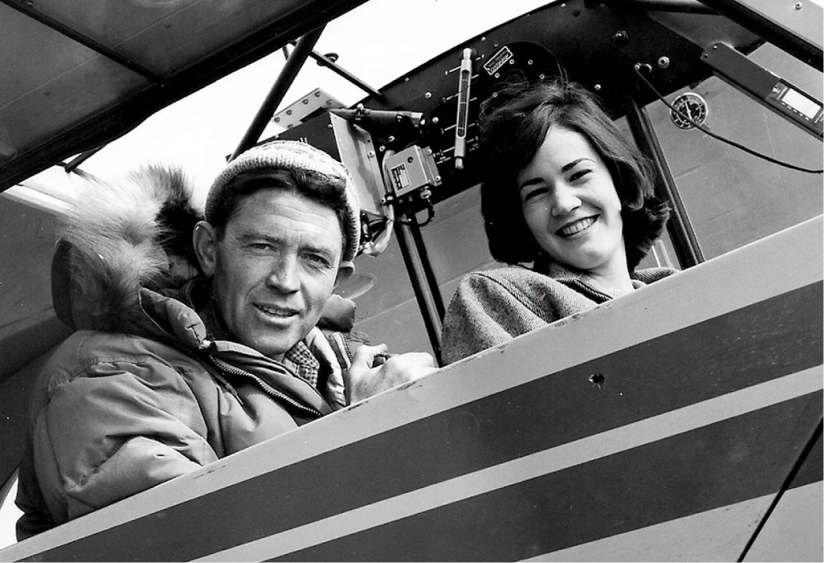
(November 21, 1921 – January 26, 1975)
In 1938, upon graduating high school at just 16 years of age, Don Sheldon arrived in Alaska. Raised in southern Wyoming, Don was looking to diversify his prospects beyond farming, so the village of Talkeetna provided an excellent proving ground for a young man on the edge of adulthood. He swiftly broadened his skillsets through a number of apprenticeships and a good amount of book learning, becoming proficient in guiding, trapping, mining, welding, mechanics, surveying, and flying. Don volunteered for the Army Air Corps in 1942 as a pilot in World War II, but upon arriving at the Arizona aviator school, his entire class was reassigned as B-17 tail gunners due to the European Theater’s high mortality rate for that position.

Only a few missions into Don’s tour of duty, his aircraft was heavily damaged in a bombing run and crashed on approach back to its England base. While a few crew members survived the crash, Don was the only one to walk away, and shortly after, he volunteered to fly extra missions with a brand new “green” crew, and saw those men through their complete tour of intense missions over Normandy, Rhineland, Ardennes, Central Europe, and Northern France. Remarkably, this second crew also crashed, but all mercifully escaped serious injury.
Don’s tours of duty earned Don the Distinguished Flying Cross, awarded for single distinctive acts of extraordinary achievement; four Air Medals, awarded for single acts of heroism; and six Bronze Stars, awarded for extraordinary bravery and courage during combat operations. Don’s World War II service foreshadowed Don’s selfless courage and heroism as a civilian aviator in Alaska, and upon returning to the United States after the war, Don ferried aircraft throughout North America, further increasing his knowledge of flight, mechanics, and welding. He returned to Talkeetna permanently in 1948 to pursue what became his passion: flying.
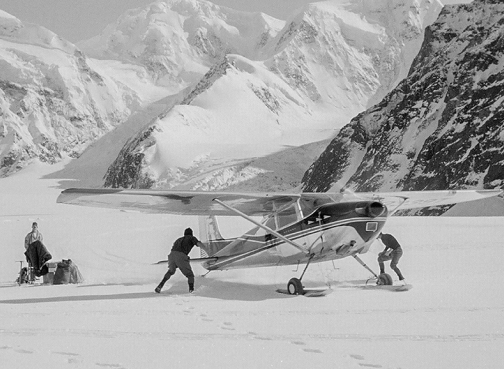
Don’s Talkeetna Air Service became the most versatile bush pilot operation in Alaska, with eight specialty aircraft capable of flying in all types of conditions and to a host of remote destinations. Don brought state-of-the-art equipment to Talkeetna and built a facility worthy of his flying skills and to match a list of strict safety protocols. An innovator of continuous design advancements in both Cessna and Piper aircraft manufacturers, Don’s assets were further leveraged through his encyclopedic mind, extraordinary instinct, and calculated determination for legendary military and civilian rescue missions. Also an aviation inspector, Don was licensed to certify aircraft design and flight worthiness, and over his entire career logged over a million miles of short-distance Alaska flights across a span of 25 years, wearing out 48 aircraft. He “exercised nine parts caution and one part faith,” never experiencing a fatality or putting a customer in the hospital. No excuse was sufficient to keep Don away from aiding others, although weather infrequently did.

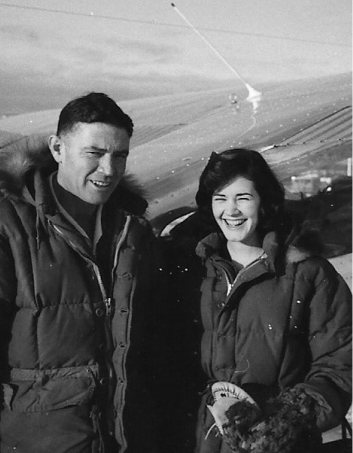
Unlike many pilots of his time, Don didn't consume alcohol, which made him available for all manner of emergency situations. He was well-known as a reliable resource by Alaska law enforcement as an emergency ambulance service and the U.S. military for cold weather equipment and methods testing. Don was roundly lauded as a catalyst toward empowering avocations among everyone he came into contact with, all while constantly expanding the art of aviation.
Don’s record speaks for itself:
Ø Commendations for selflessness, including heroic rescues throughout his civilian life, including the rare Decoration for Exceptional Civilian Service, the U.S. Air Force’s highest award
Ø Alaska explorers who fell to illness or the elements could rely on Don for extrication. Constantly placing his life at risk to save members of the military, climbers of Denali (formerly Mt. McKinley) and anyone else that needed his brand of help, often executing improbable rescues even in the dead of night when no one else dared
Ø Don theorized and established glacier landing procedures and processes that have endured since the early 1950s
Ø More than any man alive during his time, Don gained unparalleled and intimate knowledge of Denali and the Alaska Range from both mapping the expanse from 1951 through 1959 and his continuous flying through 1974
Ø Don was a pilot and reference source for all first ascent climbing parties in the Alaska and Wrangell SaintElias mountain ranges between 1952 and 1974, all while monitoring expedition progress at no further charge
Ø He established altitude landing records amidst poor to marginal conditions to ensure preservation of endangered people’s lives; incredibly he had a tolerance to 21,000' (6,400m) without requiring oxygen tank support
Ø Don established the Institute of Arctic Biology scientific station and landing area, donating assets to facilitate operation at the 14,300' (4,360m) level of Denali, the highest radio controlled airport in the world
Ø Don was indispensable -– After his passing the National Park Service ultimately engaged a costly helicopter for reconnaissance and rescues to replace what Don incredibly achieved with fixed wing, and frequently for free, in the Alaska Range
When the State of Alaska wanted to honor Don’s legacy, officials wrote to the United States Government requesting a mountain in the Alaska Range be named in his honor. Knowing full well who Don Sheldon was, Washington, D.C. administrators decided that was not sufficient and instead named a 35 square mile (90 square kilometers) amphitheater on the flanks of Denali in honor of Don’s life of selfless service.

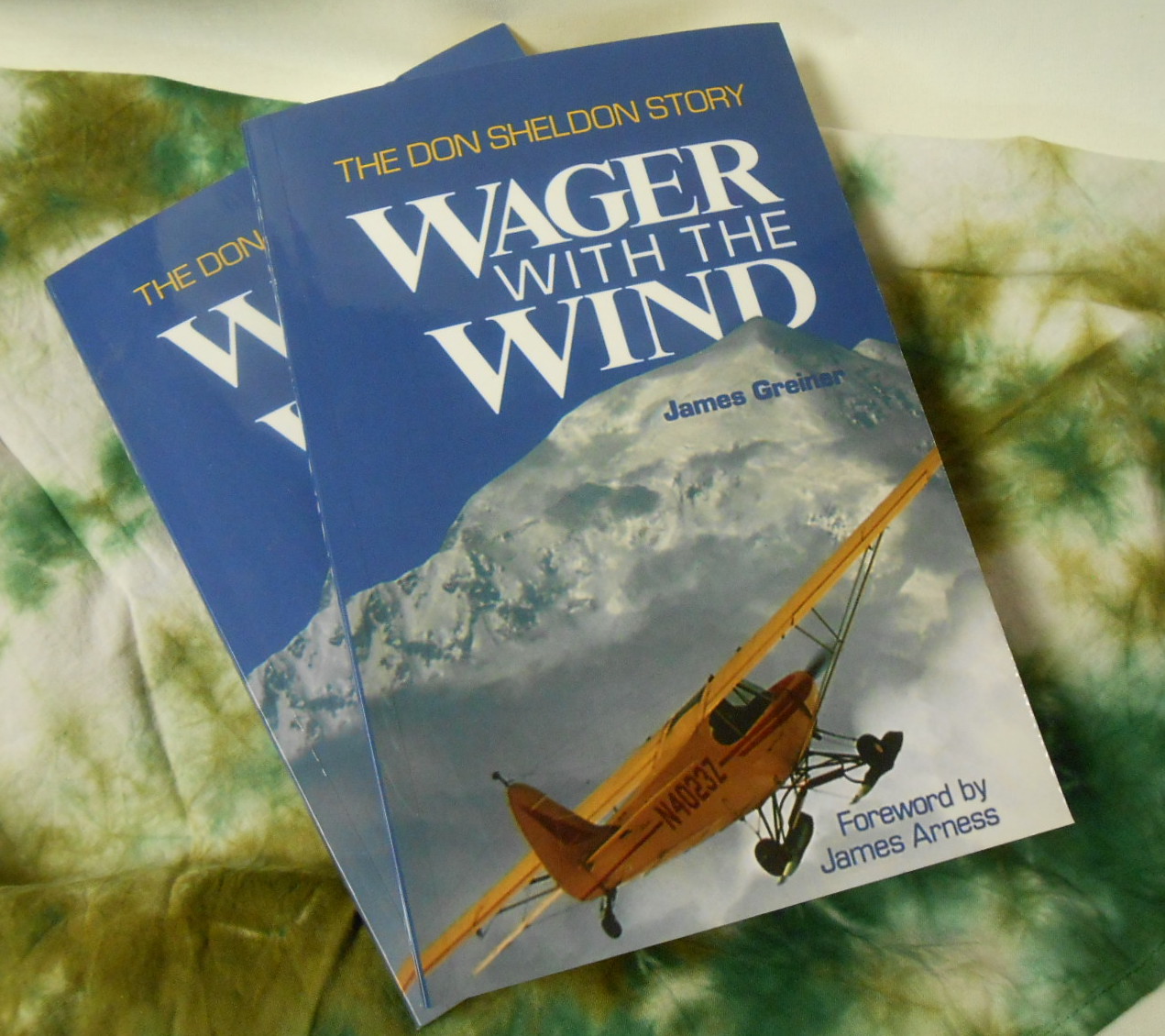
James Greiner’s book Wager with the Wind, published in 1974 while Don was fighting cancer, is a testament to his life and legacy, and continues to sell thousands of copies each year.